I love ornamental grasses. They catch the light, flow in the breeze, and bring a texture and movement to a garden in a way that few other plants can—bringing even the slightest breath of wind to life.
It’s why I stopped to take a photograph recently. The pampas grass looked absolutely stunning, its huge feathery plumes moving against the ocean backdrop. But there’s a catch to all that lovely movement.
Seeds move, too. And sometimes, they travel a very long way.

Pampas grass (Cortaderia selloana) was originally brought into gardens for its dramatic, architectural beauty. Yet it didn't stay put, spreading into natural areas across California where entire coastal hillsides are now dotted with it. Once you recognize it, that view starts to look rather different.
So what happens when you're at a nursery and spot a grass you love?
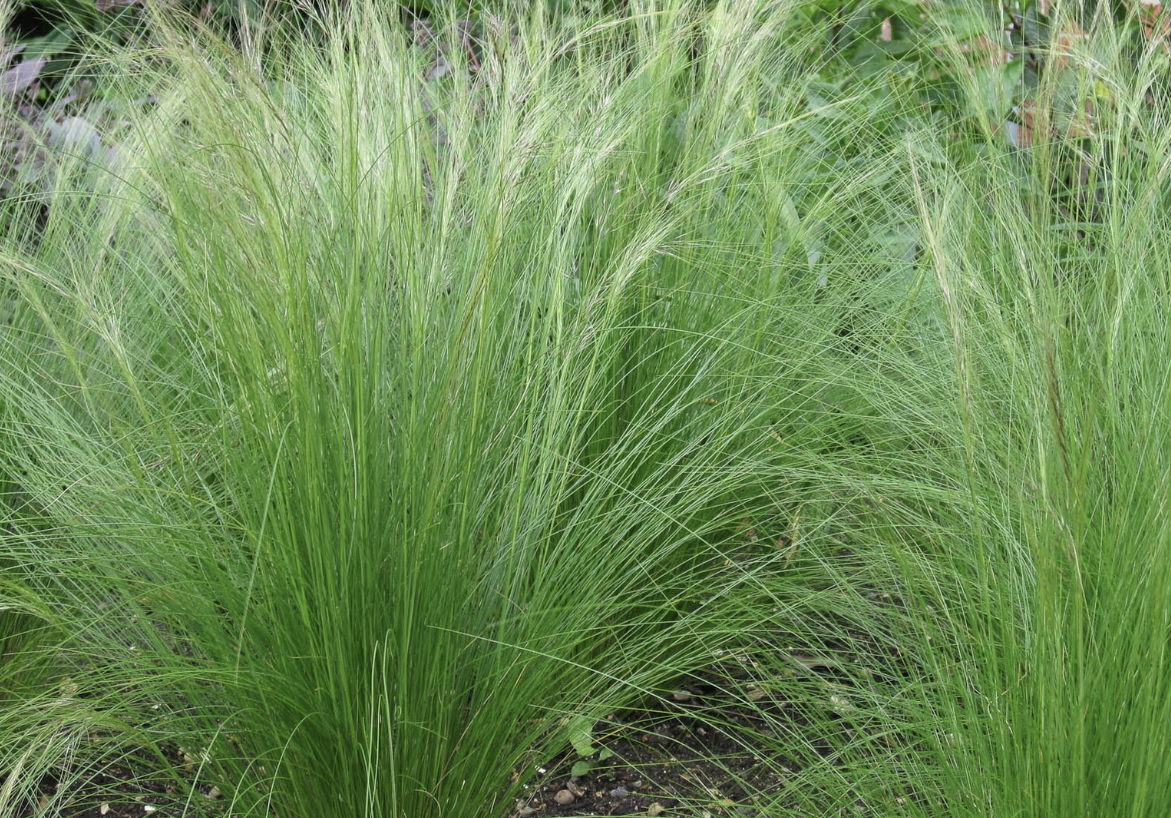
Perhaps it's Mexican feather grass (Nassella tenuissima, formerly Stipa tenuissima). Its fine, delicate blades catch the light and move with the slightest breeze, which made it enormously popular in planting schemes. Arguably rather too popular even before you consider its invasive tendencies. It is now listed as invasive in California by the California Invasive Plant Council (Cal-IPC), producing masses of seed that can easily escape the garden.
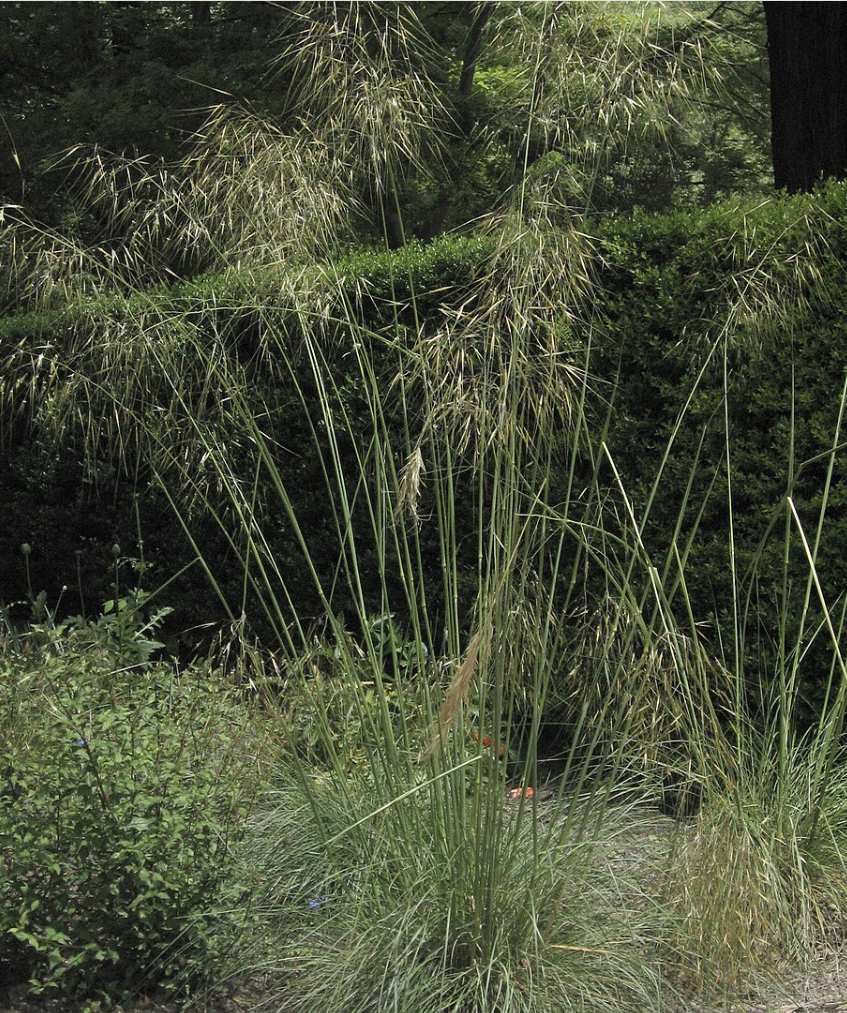
Does that mean we should avoid every Stipa? Absolutely not. One of my personal favorites is giant oat grass (Stipa gigantea), with its tall stems and wonderful golden seed heads that seem to float above the planting. I particularly love the way that warm gold can pick up similar tones elsewhere in a border—something I’m always looking for when putting a planting palette together. The growing conditions still have to be right, of course, but there’s no reason to dismiss a perfectly well-behaved plant simply because a botanical relative misbehaves.
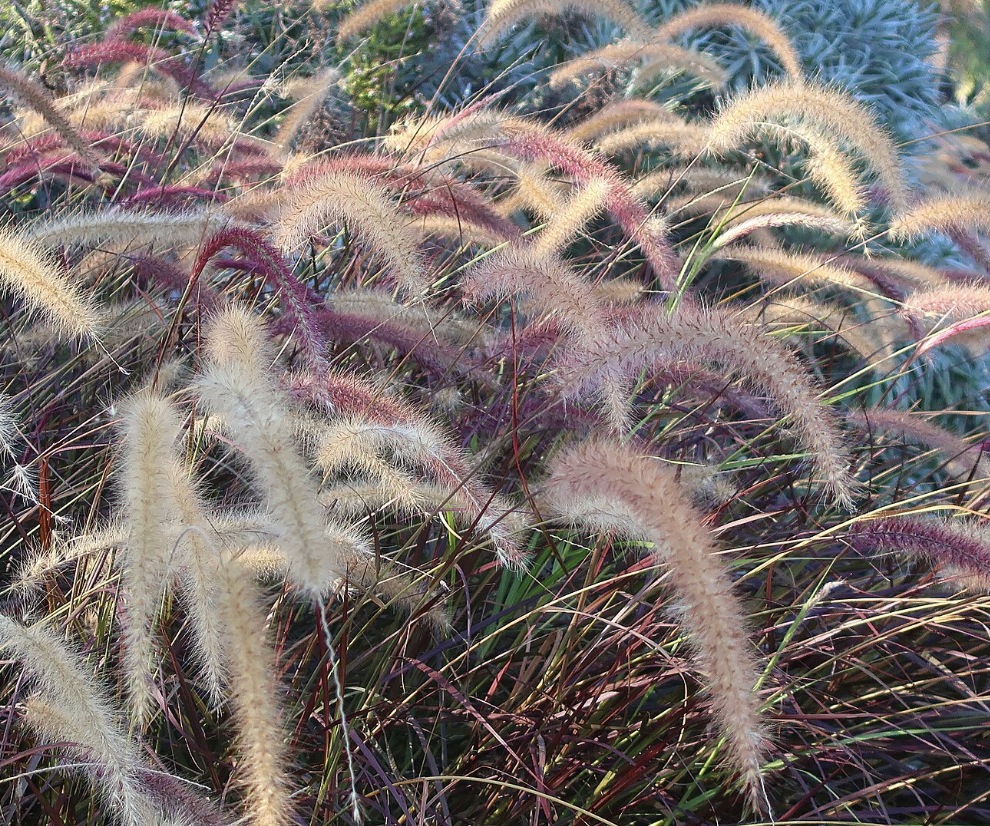
And sometimes the distinction is even finer. Take fountain grass (Pennisetum setaceum): the green species is considered invasive in California, while the familiar red cultivar is sterile and isn’t considered invasive by Cal-IPC. So it really does pay to know exactly which plant you’re looking at.
I don’t carry a mental catalogue of every invasive plant, and I don’t expect anyone else to. If a plant catches my eye and I have doubts, I simply look it up.
You can use the Cal-IPC Inventory right from your phone while standing in the nursery aisle—it takes less time than deciding whether you really need another ceramic pot.
Checking before you buy isn’t about planting only California natives. I use both native and climate-adapted plants, and there are extraordinary plants from all over the world that can be wonderful additions to California gardens. For me, it’s about choosing plants thoughtfully—considering how they grow, how they work with the rest of the planting, and, of course, how their colors play together. It’s simply worth knowing a little more about what we bring into our gardens—and what might eventually find its way out.
With so many incredible plants to choose from, a thirty-second check is a very small price to pay.
Besides, Mexican feather grass really has been used quite enough.
Photo credits: Mexican feather grass (Nassella tenuisima) — alexlomas, CC BY 2.0.
. Giant oat grass (Stipa gigantea) — A. Barra, CC BY 3.0.
Red fountain grass (Pennisetum setaceum ‘Rubrum’) — photo by cultivar413, CC BY 2.0.