Adaptive gardening blends ethical stewardship with the artistry of naturalistic design to create climate-resilient, biodiverse landscapes. In this post,
Gardens are living, breathing tapestries—and like all living things, they must adapt to the world around them. In my practice, I create adaptive gardens that respond to extreme weather, shifting climates, and the unique conditions of each site. This approach allows me to weave together beauty and resilience, creating immersive environments that offer year-round interest and ecological value.
The Naturalistic Philosophy Naturalistic gardens are not defined by rigid geometric boundaries. Instead, they focus on interwoven textures, soft-layered perennials, and long-term health. Plants are chosen to withstand extreme weather and support local pollinators, creating a thriving, balanced ecosystem tailored to the people who wander through it.
Ethical and Sustainable Choices Every design decision considers sustainability and ecological impact. From soil health and water management to biodiversity, the goal is to create gardens that are beautiful, functional, and responsible. I prioritize sustainable materials—using recycled, reclaimed, or low-impact options for paths and structures wherever possible. Even small choices, like selecting drought-tolerant species or designing efficient irrigation, contribute to a garden that works in harmony with nature over time.
Examples
Here are a few ways adaptive design comes to life in my work:
Project A: A backyard garden using mixed perennials and climate-resilient shrubs to reduce water use while maintaining seasonal color, paired with reclaimed timber seating and permeable paving.
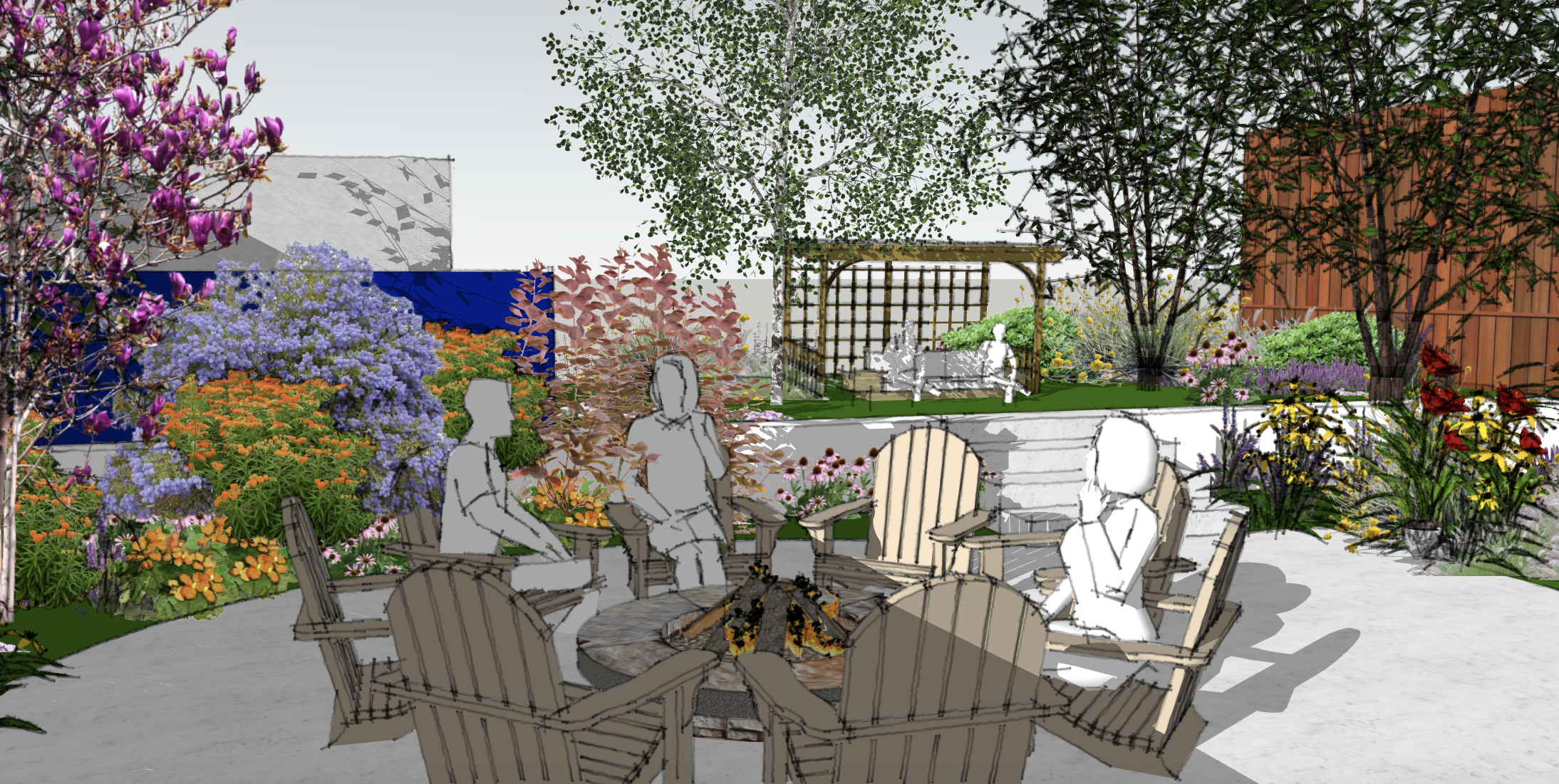
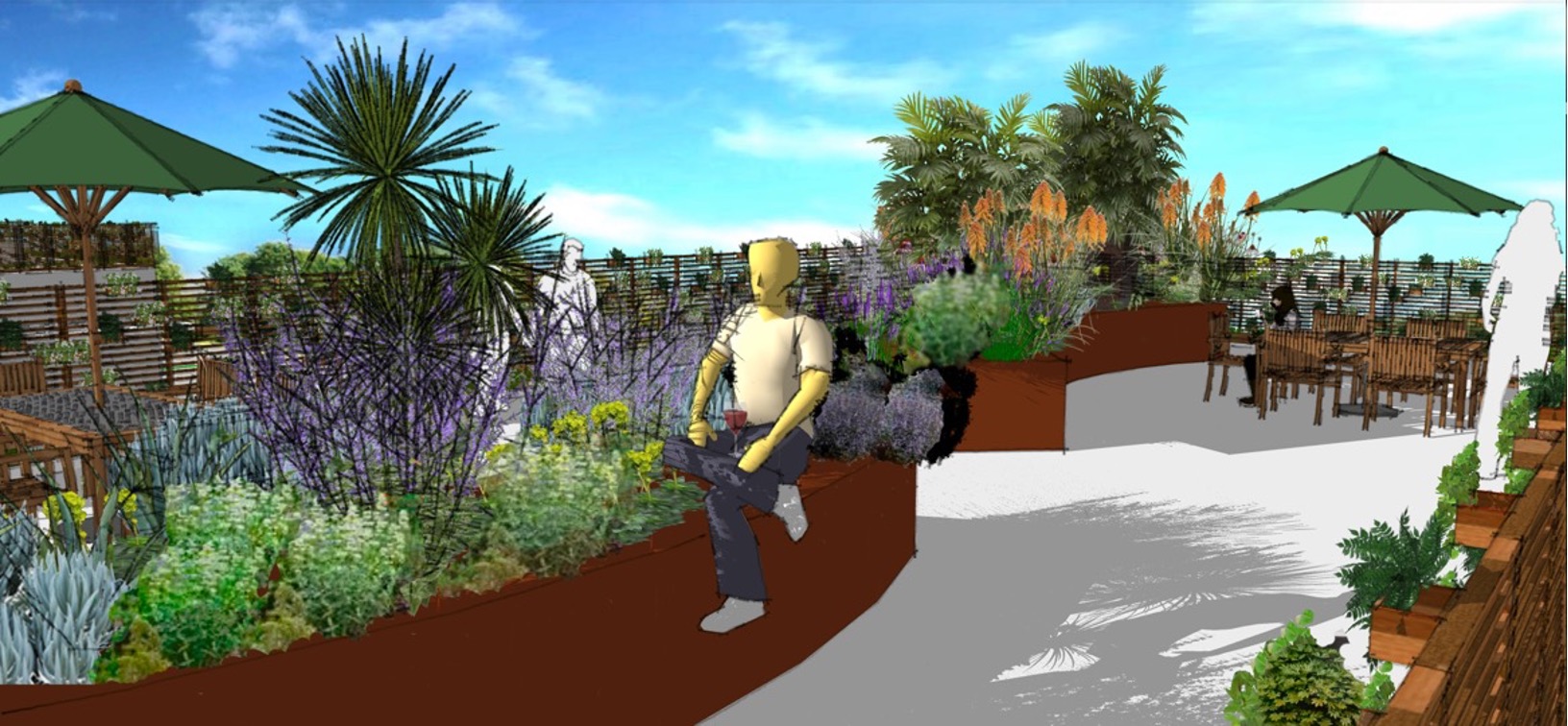
Project B: A drought resistant space that thrives despite variable rainfall, it attracts bees, butterflies, and birds, and incorporates sustainably sourced garden materials for pathways and edging.
Adaptive gardens combine beauty, resilience, sustainable materials, and thoughtful planning. If you’re curious about creating a garden that thrives in a changing climate, I’d love to discuss ideas and possibilities with you.