Wildfire is now an unavoidable part of California life. Even gardens that have thrived for decades can be vulnerable to flames and embers. Adaptive gardening starts with understanding a site’s conditions—sun, soil, slope, and climate. In California, it also means considering wildfire risk, so landscapes are designed to be both beautiful and safer for homes, gardens, and neighborhoods.
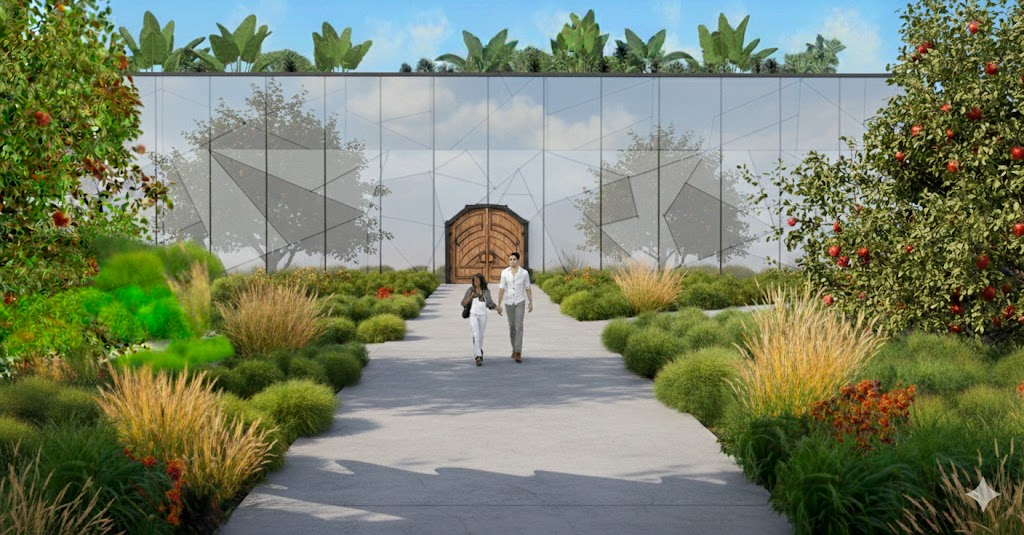
The Philosophy of Firewise Design
Adaptive gardening is about responding to the unique conditions of each site and designing landscapes that can thrive despite extreme weather. Firewise design is a key dimension of this approach, relevant not only at the wildland edge but also in our towns and cities. Thoughtful choices protect the safety of our homes while maintaining the character and richness of the garden.
Expertise in Practice: Managing Fire Movement
There’s a common misconception that firewise gardens must be sparse or gravel-heavy. In reality, we use professional design to manage how fire moves across a landscape. While no plant is truly fireproof, we focus on:
Evergreen Grasses & Sedges: Rather than using ornamental grasses that go dormant and dry out into "flashy fuel," we prioritize evergreen species like Berkeley Sedge (Carex tumulicola). These stay hydrated and green year-round, offering a lush look with much lower risk.
Strategic Spacing: We use shrubs and trees to create immersive, naturalistic landscapes, but we space them to break up "fuel ladders" and prevent fire from climbing into the canopy.
Material Selection: Integrating stone paths, patios, and low-combustibility mulch allows gardens to remain vibrant while creating vital breaks in vegetation.
Community Context: When neighbors consider placement and materials collectively, the risk of a small ignition spreading through a neighborhood is significantly reduced.
Designing for Peace of Mind
Living in harmony with our environment means respecting its power. Transitioning to a Firewise garden offers more than just aesthetic value—it offers peace of mind. Here are a few resilient, high-moisture options that fit beautifully into a Firewise palette:
Toyon (Heteromeles arbutifolia): A California classic with leathery, fire-resistant leaves.
Island Alumroot (Heuchera maxima): A lush, low-growing option for shaded areas with high moisture retention.
Coffeeberry (Frangula californica): An evergreen shrub that is remarkably fire-resistant when properly maintained.
If you’d like to discuss a Firewise assessment or want to explore fire-resistant plant palettes that thrive in our climate, I’d love to share some possibilities with you.