"I just want to look out from the house and see flowers."
That was the brief.
It sounds wonderfully simple, but like many gardens, the answer was about much more than flowers.
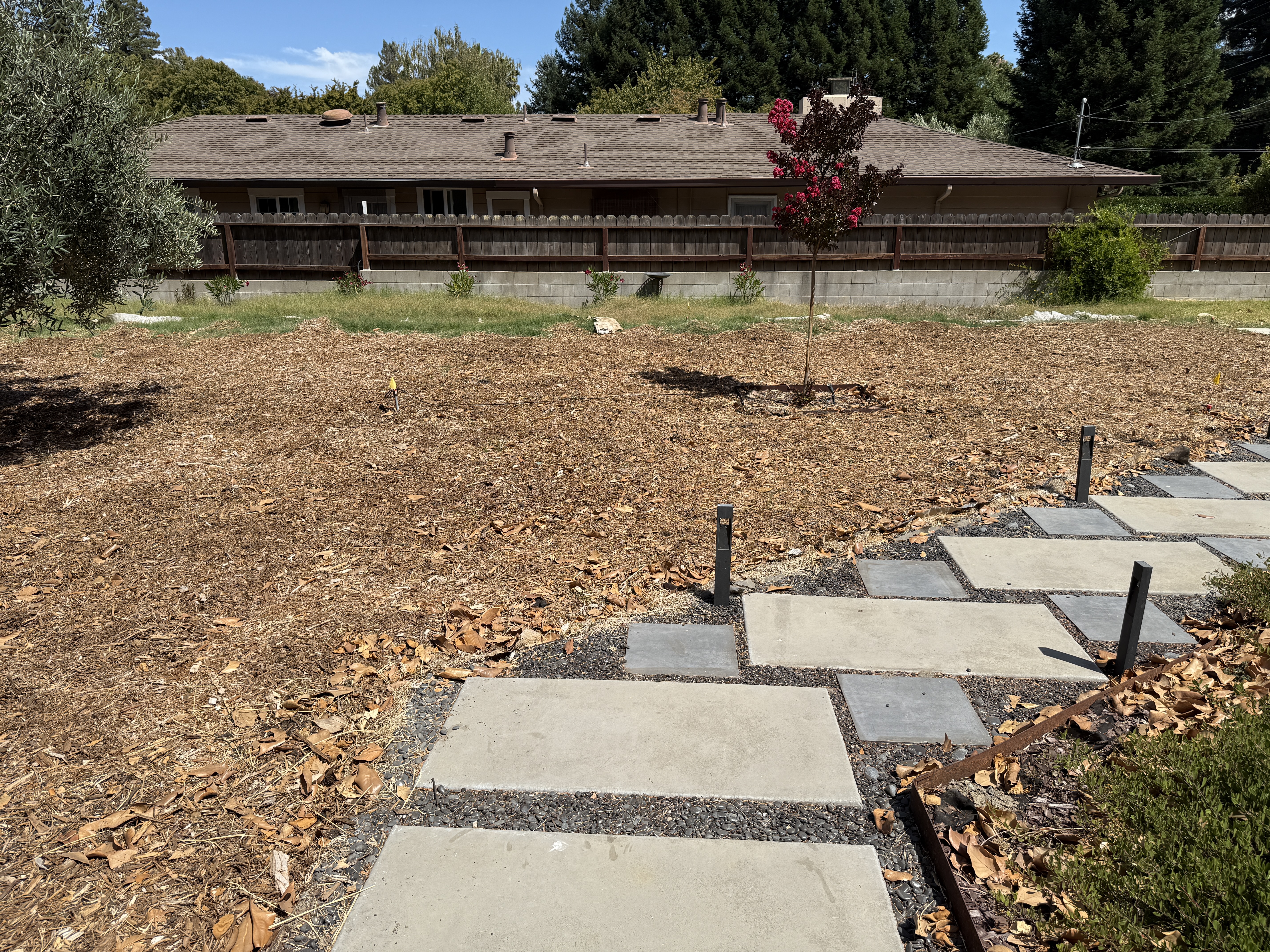
The garden covers approximately 3,000 square feet in Napa Valley, California. Although the planting area itself was well defined, it opened onto a much larger area beyond. One of my first suggestions, therefore, had nothing to do with planting at all.
Rather than allowing the eye to wander into the undeveloped space beyond, I recommended enclosing the designed garden with evergreen screening along the neighbouring boundary and across the rear. The intention wasn't to hide the landscape, but to create a garden room—a space that felt complete and intentionally framed.
I often think we spend so much time talking about flowers that we forget how important the edges of a garden are. They quietly define a space, frame the views and create a sense of enclosure. Without them, even beautiful planting can feel as though it simply drifts away.

This project was also slightly unusual because it was designed entirely remotely. Using detailed measurements, photographs, aerial imagery and regular conversations, I developed the design without ever visiting the site. As the installation has progressed, the client has continued sending photographs, allowing me to watch the garden gradually come to life from miles away.
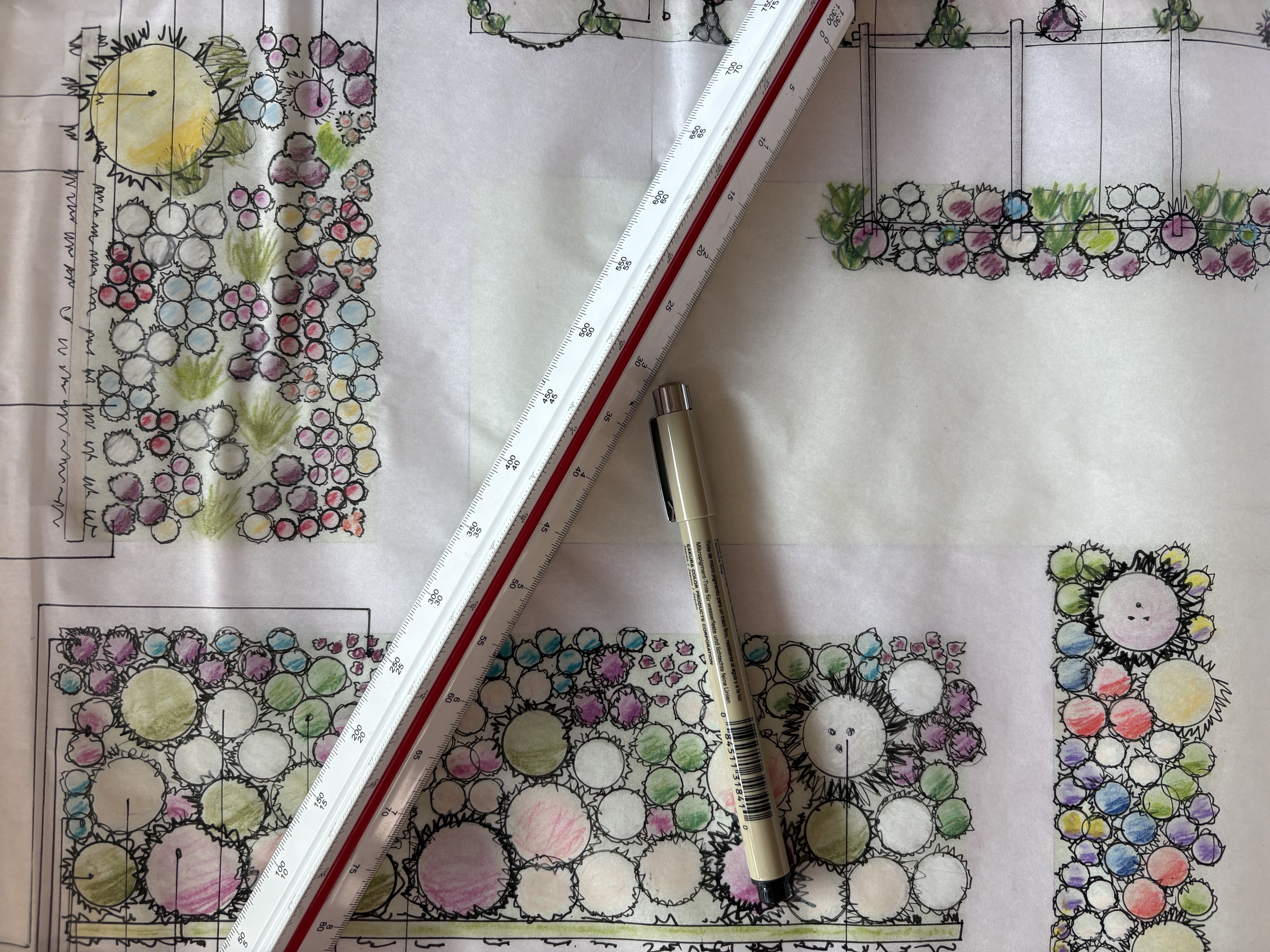
The planting itself reflects the client's wish for abundant colour and seasonal interest, but I always look beyond the brief to consider the character of a place. In Napa Valley that meant selecting plants suited to hot, dry summers while creating a resilient planting palette for the future. Drought-tolerant herbaceous perennials, evergreen grasses and carefully selected shrubs were chosen not only for their beauty but also for their ability to provide year-round structure, reduce irrigation requirements and reflect fire-conscious planting principles appropriate to the region.
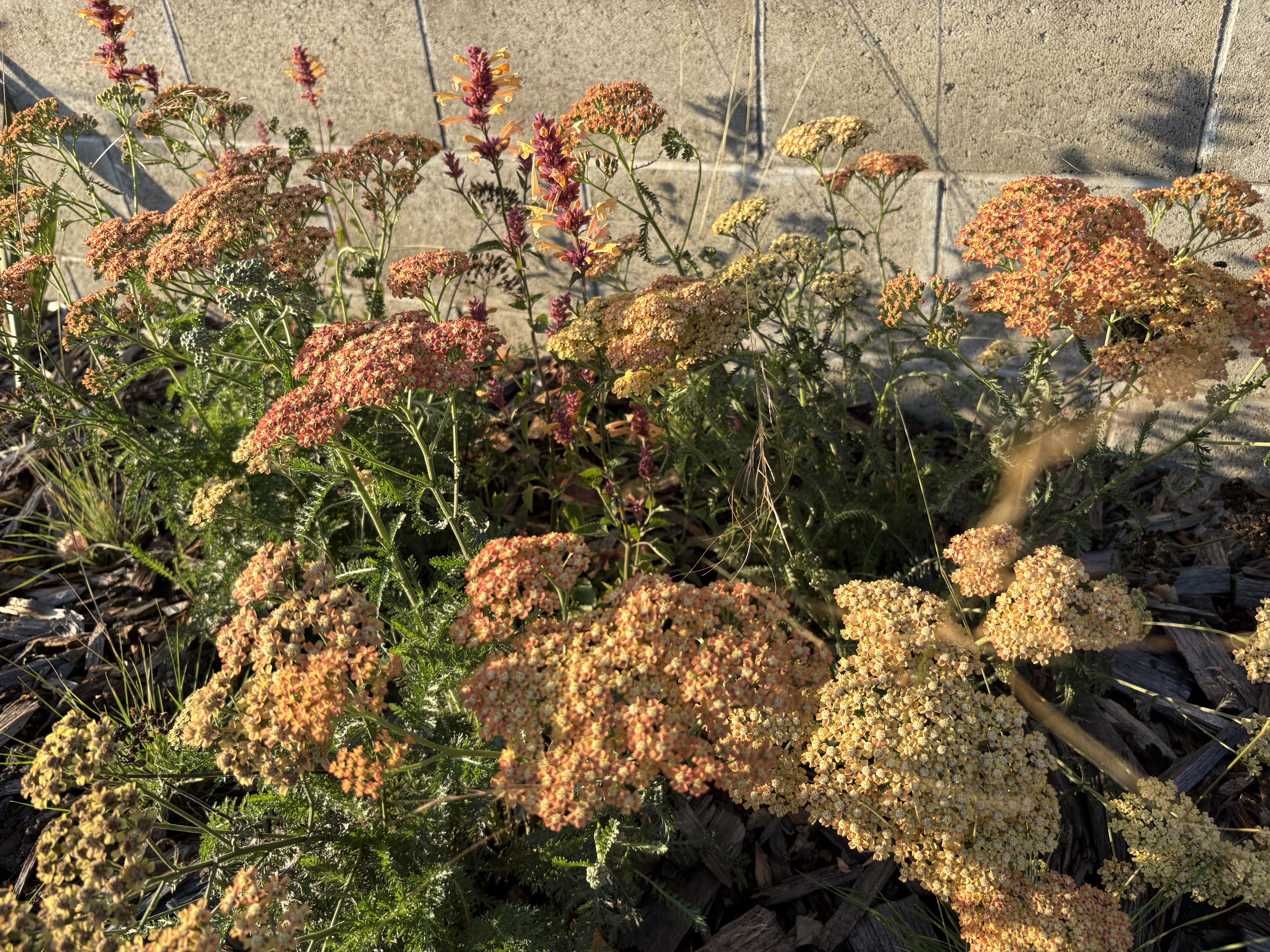
Among the planting, Sesleria autumnalis plays a quiet but important role. I wanted a grass that would bring movement and texture throughout the year while also providing an evergreen framework for the surrounding perennials. In a region where hot, dry summers are a reality, that year-round structure made it a more appropriate choice for this project than many of the taller deciduous grasses.
One of the things I always consider is how a garden will be maintained long after the last plant has gone into the ground. Beautiful planting should also be practical. Discreet maintenance paths weave through the borders, allowing every part of the garden to be reached without trampling through established perennials. As the planting fills out, they'll almost disappear—but they'll quietly ensure the garden remains as enjoyable to maintain as it is to look at.
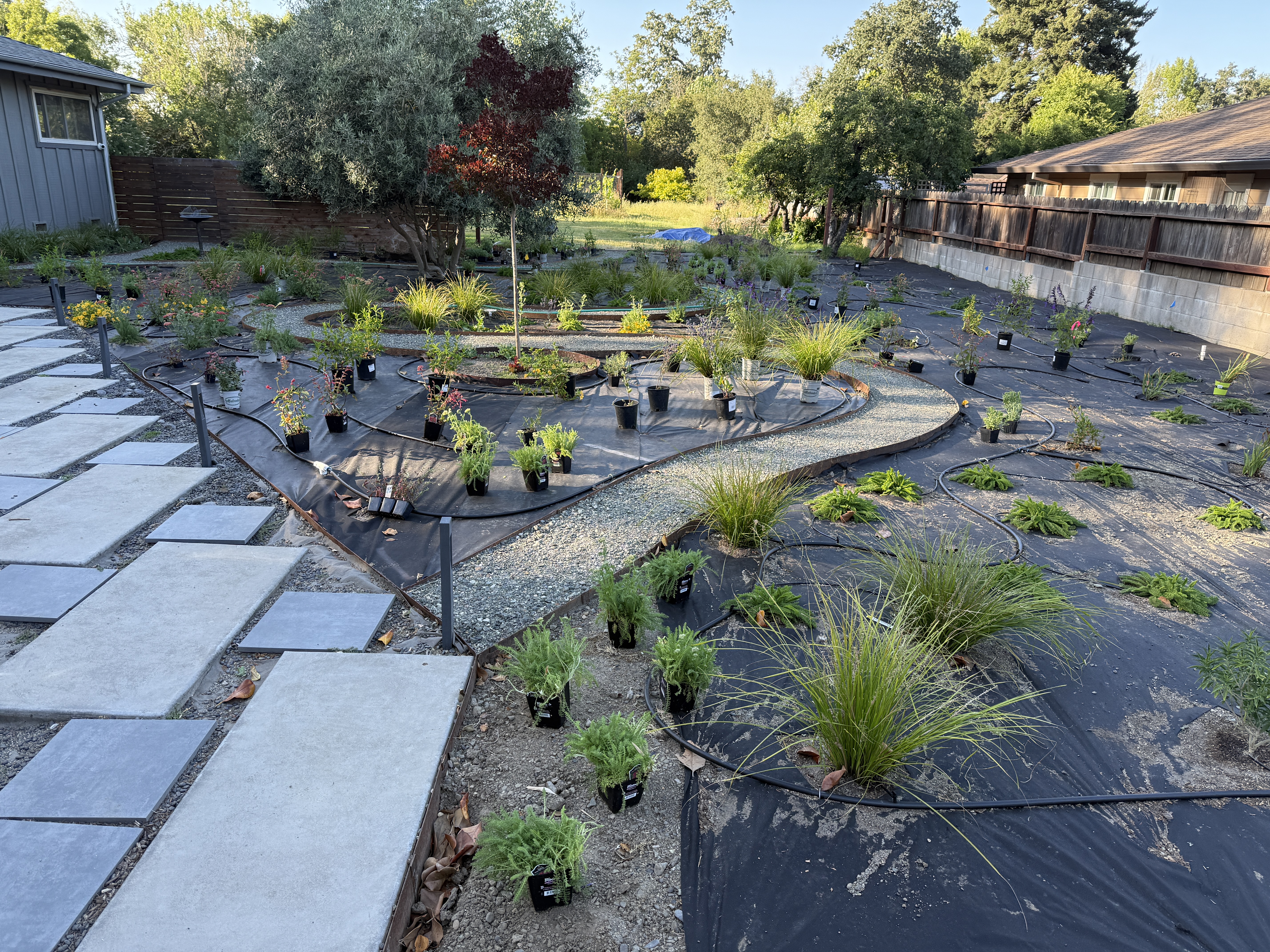
The installation is still underway, and that's perhaps one of the things I enjoy most about garden design. A garden doesn't reach its full potential on planting day. It grows into itself. The grasses soften, the perennials begin to intermingle, and each season reveals something new.